
For almost a year, I had been visiting the same Chloé top around the world: at the flagship store in Paris, in Bal Harbour, and in New York. Each time, I tried it on. Each time, I left without it. By then, we had history.
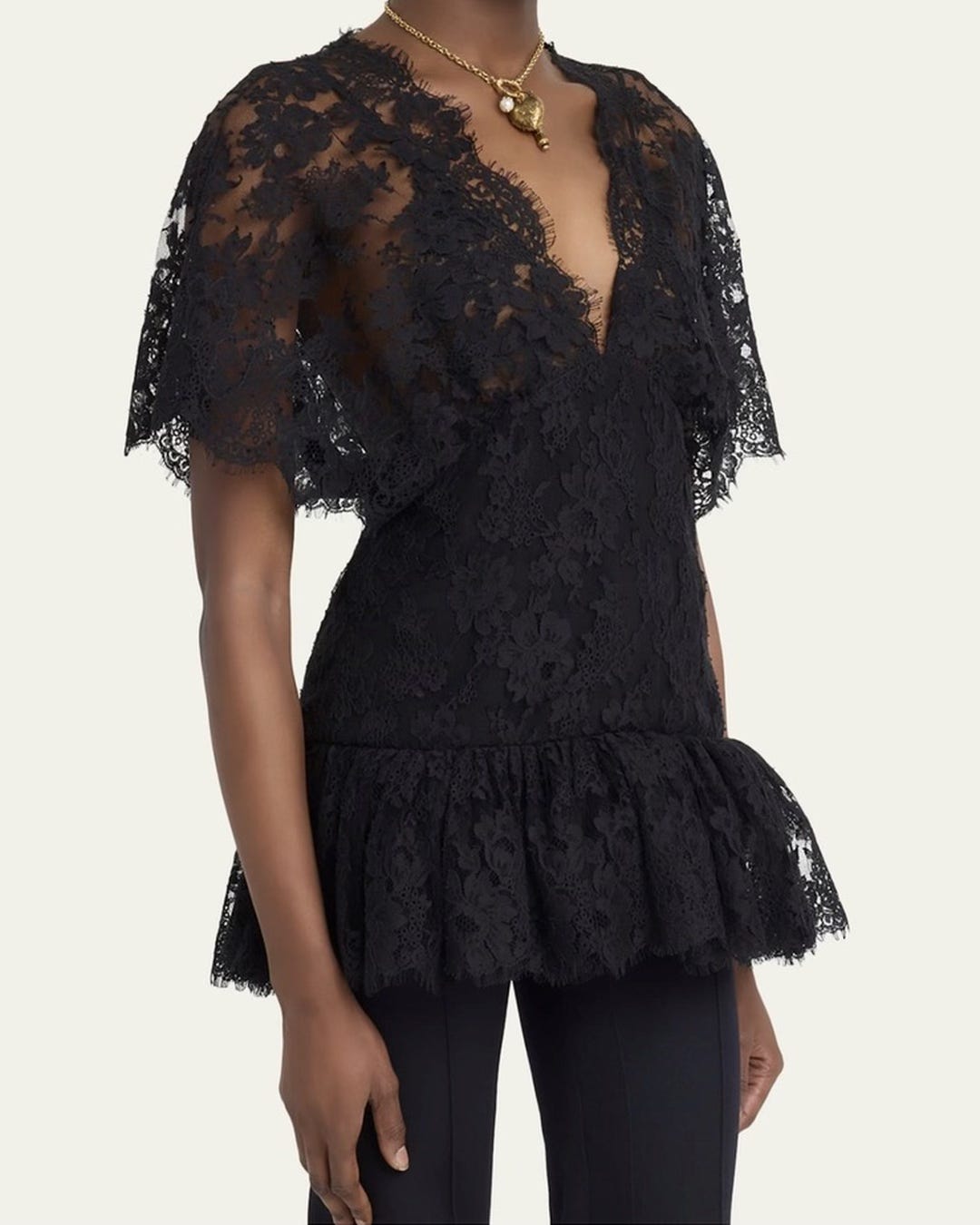
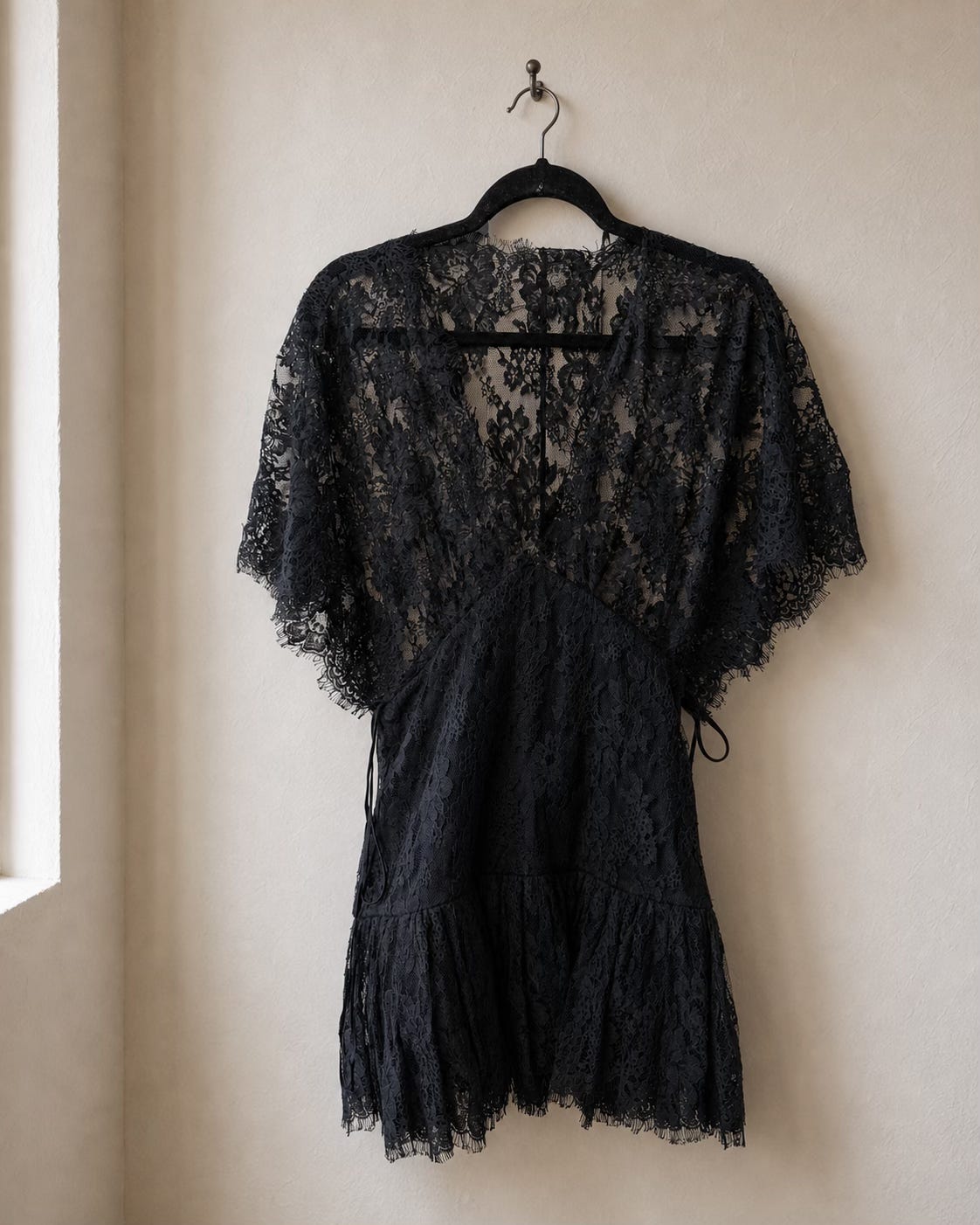
Made entirely from black lace, it had a fitted bodice, a deep neckline, cape-like sleeves, and a ruffled peplum. Only one detail stood between us: the $6,000 price tag. Before tax, just to make the decision even more insulting
.
Then the long-awaited sale season arrived.
I kept returning to the Bergdorf website to check the price. It dropped slowly, but never enough. So I waited, a level of patience I rarely display when shopping.
Eventually, it was 80 percent off, and somehow my size was still available. A 36 is usually long gone by then. It was a calling. I answered
.
A few days later, a small, suspiciously light cardboard box arrived. I assumed it was another Amazon order for my husband and set it aside.
Later that day, I noticed it on my desk. It was addressed to me. Inside were the words Bergdorf Goodman.
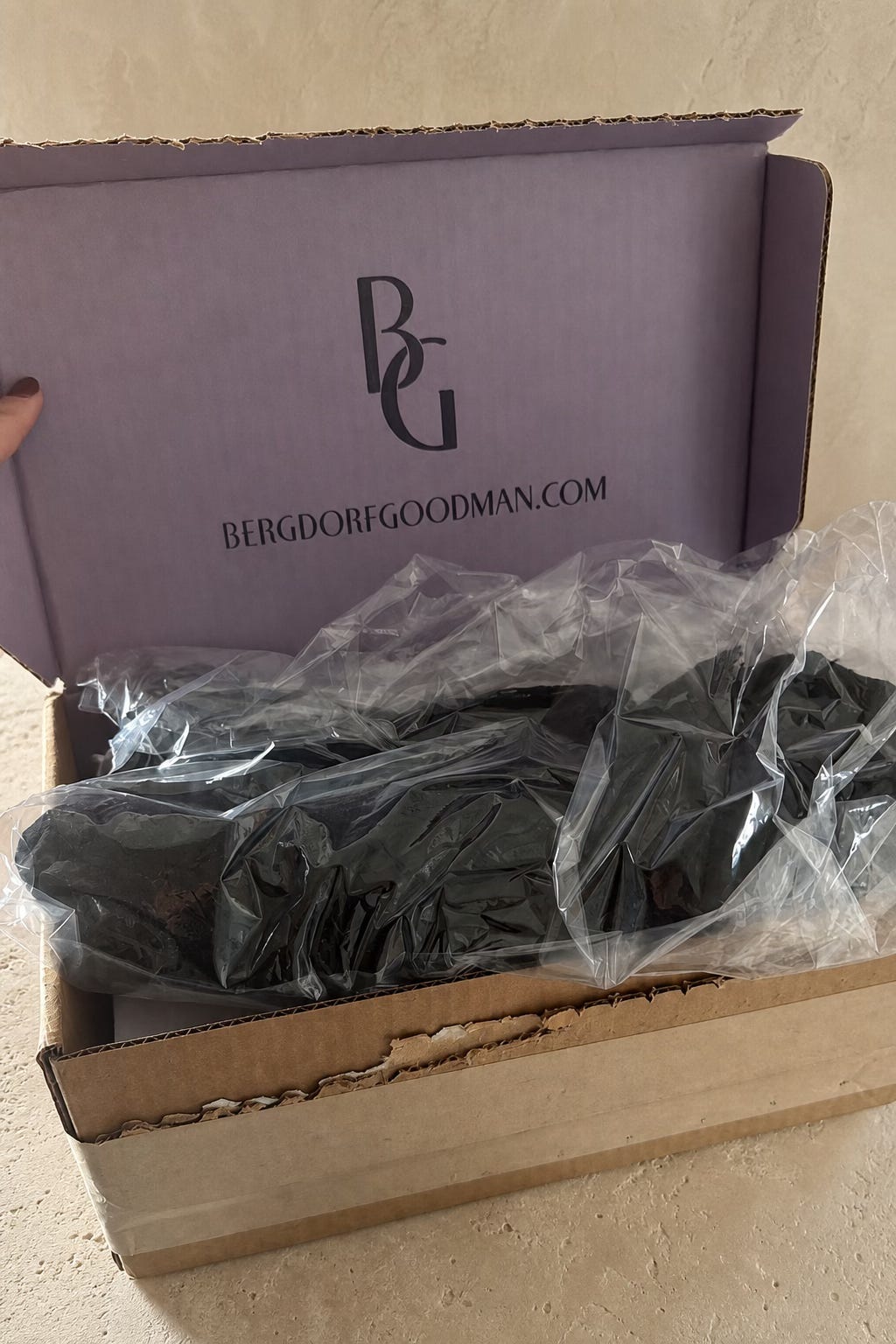
It took me a moment to understand what the hell I was looking at. There it was: my Chloé top, rolled into a ball inside a clear plastic bag
.
I had waited a year for that.
No hanger. No tissue paper. No garment bag. Nothing to suggest that the ball of lace in front of me had ever cost an entire month’s rent or had even been down a runway.
In my head, a small ceremony had been prepared for its arrival. It turned out I was the only one invited.
I had no words, this rarely happens. Bergdorf had sent my precious Chloé top looking like someone’s forgotten dry cleaning.
For a moment, I considered closing the box and sending it straight back. It was still in its pathetic plastic bag. An eyesore. A crime against fashion. I could not look at it for a minute more.
Then I told myself to be the bigger person. Come on the top was 80 percent off.
So I opened the bag.
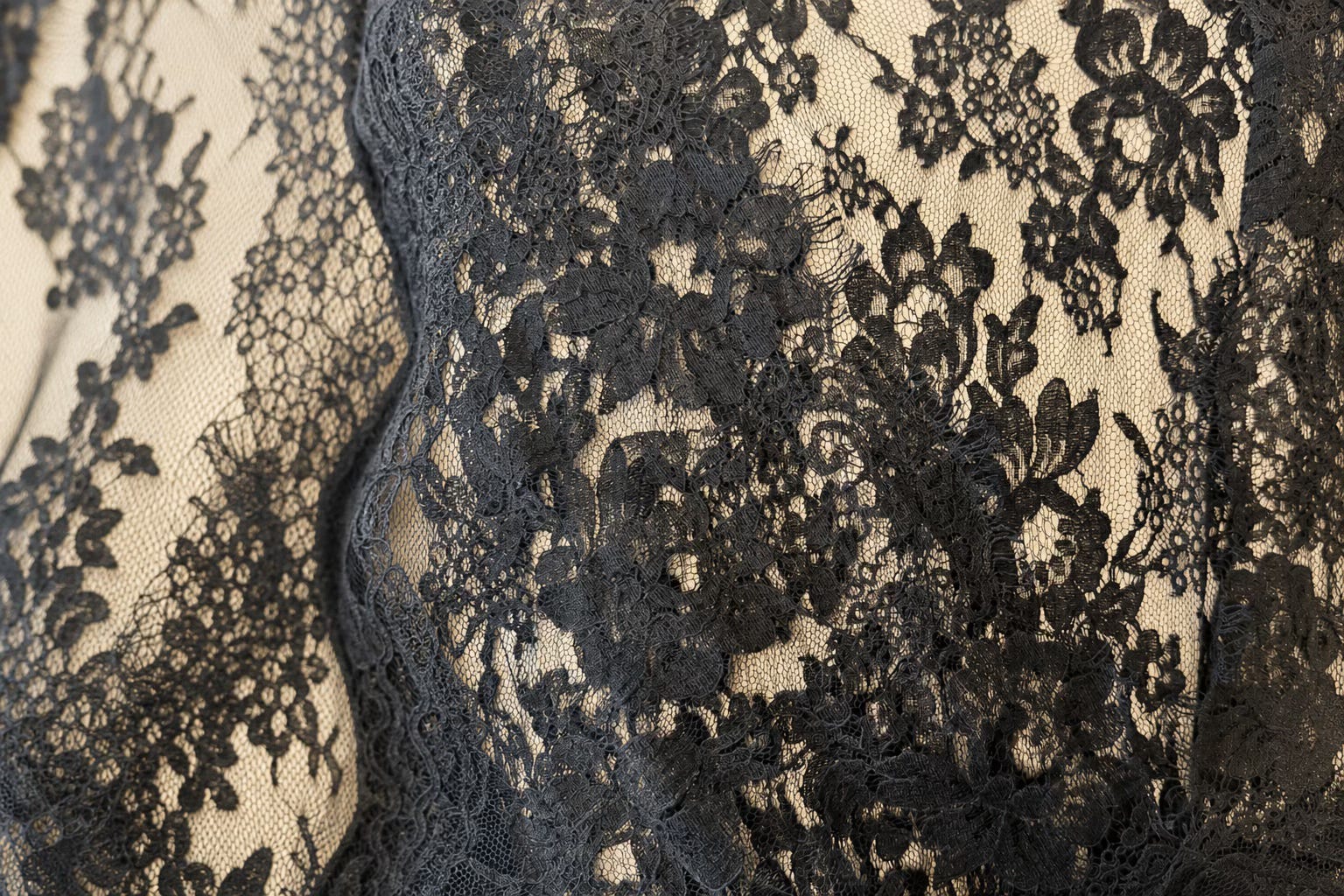
Underneath the indignity, the top was everything I remembered and more. Oh, glory.
The lace was exquisite. The fit was unlike anything I owned. The silhouette looked vintage and completely modern at once romantic, gothic, and somehow grunge
.
This was the pièce de résistance my wardrobe had been missing and God knows how long I had resisted buying it. A statement piece that did not require an entire production around it. I could wear it with loose, light-wash denim or Saint Laurent tuxedo trousers. It worked with both.
The top survived the plastic bag. Bergdorf and I were officially done. Moving on.
These days, everything calls itself luxury. The word is everywhere; the care is not. Luxury is now a vibe, not a standard. Usually, that means an ordinary experience with better lighting and a worse attitude.
For instance, go for lunch at Hotel Costes in Paris, and you are welcomed by an arrogant 20-year-old hostess who believes she is Madonna. The attitude is shitty, to say the least. It has become part of the décor, and still, we keep coming back.
Meanwhile, a Chloé top the product of real craftsmanship and a designer’s vision arrives rolled inside a plastic bag.
We have kept the circus alive. The care is dead.
You may be wondering whether I returned the top.
Of course, I kept it. It is divine.
I also kept the grudge.
The top was 80 percent off. Apparently, so was my experience.
Bisous,